Menaggio & Cadenabbia Golf Course, Lake Como
An Old England styled public golf course set prestigiously on the shores of Lake Como.
Luxury central apartments.
These very central apartments are the ideal hideaway for those guests who want privacy as a top priority. They have a very warm but refined feel and offer more space for pleasure in an elegant and relaxing setting. In the very heart of Milan, a real home where you can indulge in perfect peace and yet be in the frenzy of the Milan's centre. Guests come here not to be seen, but to enjoy a refined atmosphere in absolute intimacy.
An Old England styled public golf course set prestigiously on the shores of Lake Como.
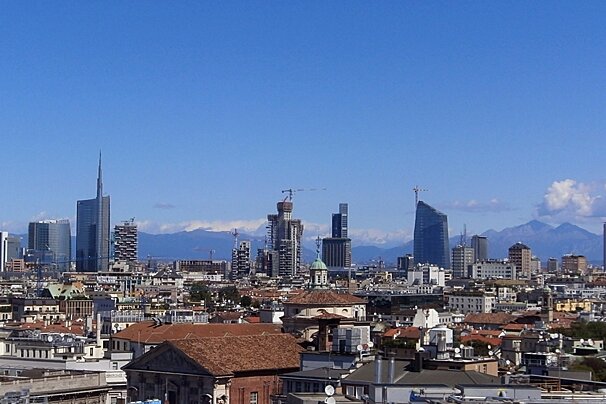
Golf Des Iles Borromées is an 18 hole course built in a natural and uncontaminated environment situated 500 metres above sea level. It has a southerly exposure, fresh in summer and sunny in winter, and from the 18th tee, you can often see the skyline of Milan and four lakes: Maggiore, Varese, Montae and Comabbio.
Big-hitters will enjoy the generous width fairways but be aware of the lake-size water hazards.
This 18-hole, par 72, golf course was designed by Franco Piras and realised in 2002.
Amidst the beautiful surroundings of the Piedmontese coast of Lake Maggiore, this adventure park offers fun for all with high suspension bridge courses, cycle-cross, a free-climbing wall and an acro-jump. A great day out.
Elevated in the hills on Lake Garda's western side, Bogliaco golf course and resort is blessed with a Mediterranean setting and superb views.
The elegant style and furnishings, the neoclassical pieces of art decorating the walls and the hand-painted high ceiling is a dramatic yet fitting setting for the fantastic food of the Palazzo Parigi restaurant. And when the weather is fine, the relaxed atmosphere of the private garden terrace provides an alternative atmosphere for visiting diners.
Il Baretto has been running for over fifty years, delighting the great and the good of the city for half a century. The sophisticated, old English club house decor is host to a refined menu taking cues from Milanese and international cuisine.
The 2-Michelin-starred Seta restaurant located in the Mandarin Oriental Milan hotel is a new kid on the block for the Milanese restaurant scene. An open-plan kitchen gives guests a peak of how the stunning dishes are prepared and a more complete experience to their choices.
Part of the Armani Hotel Milan, this Michelin-starred restaurant takes a modern approach to classic Italian wining and dining. The stylish decor has been designed to the smallest detail by Giorgio Armani himself.
Located at the luxury Excelsior Gallia Hotel, this rooftop restaurant boasts a menu created under the consultancy of three-Michelin starred chefs Enrico and Roberto Cerea and the Lebano brothers. They serve modern Italian cuisine with a focus on the Lombardy region.
Michelin-starred experience that draws on the experimentation of the Venissa culinary approach. The enchanting decor completes the tone for dining in a very unique setting.
Located in the historic centre of Milan, in front of the Galleria Vittorio Emanuele II, this is one of Milan’s hottest and trendiest bars in the city at any time of the day.
Founded in 2005, this glamorous nightclub offers event 5 nights of the week characterised by elegance and fun.
This super-cool cafe/bar, whose name is taken from the Austrian General who ruled over Lombardy, is frequented by the Brera fashion and arts crowd and is a great place to unwind. It has an old-world feel, fantastic aperitivo and superb brunches. Best enjoyed in summer.
A casual, all-welcoming cafe offering a lively, homely ambience, tasteful rock tunes and hearty fare. Although this cafe is brimming with customers at happy hour, tables are quick to vacate in good weather as locals spill out to the adjoining park.
This club was created by the famous fashion stylist Roberto Cavalli and is located within the largest city garden, Parco Sempione.
This small quirky cocktail bar has a "fusion" feel combining local furniture with Eastern, African and Caribbean styles to create a global feel.
Located in the very heart of the city, the Duomo is the third largest cathedral in the world and Milan's most famous cultural landmark. Commenced in 1386, the cathedral was initially built in terracotta stone then continued in the white Condoglian marble (shipped from Lake Maggiore) that gives the building its striking crystalline beauty.
This sweeping square, the grandest in the city, is flanked by several famous sights and landmarks. Most notably the Duomo cathedral, but also the 19th-century shopping arcade the Galleria Vittorio Emanuele II and the 18th-century Palazzo Reale.
Located inside the Palazzo dell’Arengario, in Piazza del Duomo, this museum hosts a collection of over four thousand works that showcase the development of 20th-century Italian art.
Reputedly the oldest shopping arcade in the world, this 19th-century glamorous, 4-storey, arcaded shopping gallery features a rich mosaic floor and a spectacular iron and glass roof complete with cupola that connects Piazza del Duomo with Piazza della Scala.
The Ambrosian Library & Art Gallery, named after Ambrose the patron saint of Milan, opened in 1618 and is the city's oldest museum. The beautiful palace, as well as the world-class collections of paintings, manuscripts and books are well worth a visit.
The Royal Palace is a classically beautiful example of 18th-century Milanese architecture. Built in the 1300s, it was initially the residence of the Visconti and Sforza families, then later home to the Spanish and Austrian governors.
Located just within 15 kilometres north of Milan, this big but picturesque town, the third largest in the Lombardy region, has been transformed from a mainly industrial trade centre to a popular spot for good cuisine, pretty squares and of course the F1 Gran Prix.
The city of Bergamo is perched atop a hill just within a 30-40 minute train or car ride from Milan. The fourth largest city in Lombardy, it is located at the foot of the Alps.
The lovely town of Angera dates back to Roman times when it was an important stopping point for boats transferring their wares to the road, and vice-versa. Sitting high above the town is the Rocca Borromeo, a fortress dating back to the 11th century.
High up above the lakes is the village of Arcumeggia in the mountains. It is famous because in 1956 the local tourist office decided to ask important Italian painters to fresco the walls of the town's stone cottages.