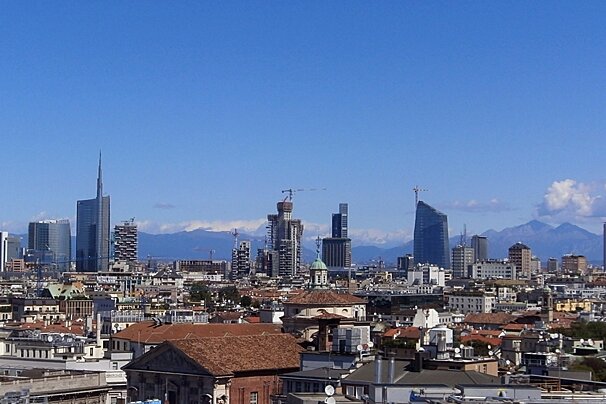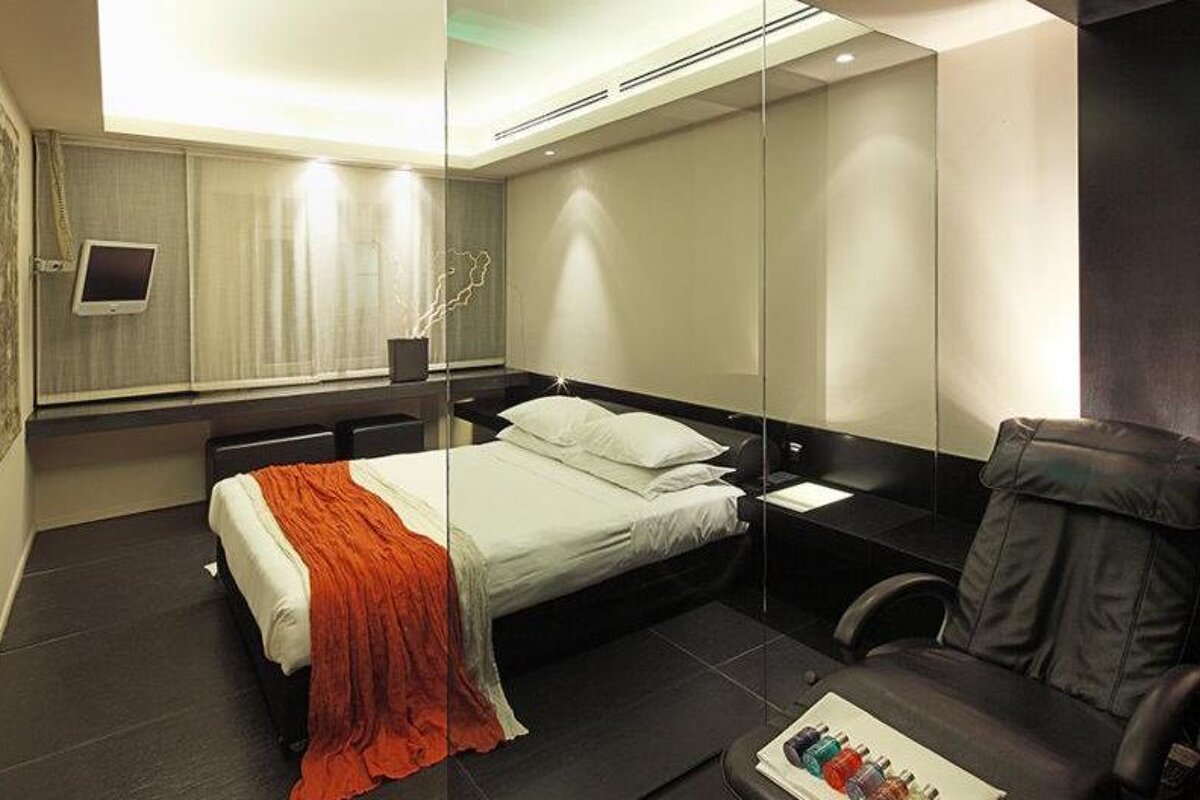


Located in the centre of Milan, this hotel combines the latest high-tech functionality with a minimalist feel and the warmth of elegant rooms.


Straf Hotel
4-star hotel with a contemporary industrial design
Housed in an unconventional building with an intellectual design in the heart of Milan, this hotel's 64 rooms and suites have been designed with elegant, innovative materials like quarry-rough slate, burnished brass, concrete and iron, gauze-effect glass and mirrors aged by hand, along with furnishings specially designed by Vincenzo De Cotiis.
There is also a fitness room.
The Bar
STRAFbar is the window on the world of the design hotel of the same name, and has been designed using the same basic materials, for example the concrete for the walls and floors, and the industrial iron panels. The attractively decorated ambience combines artistic elements such as the recycled fibreglass and wood panels and original 1970s furnishings. The bar offers all day bar and restaurant services with an à la carte menu.
The music is an eclectic mix of vintage tracks during the daytime and more vibrant and lively sounds from dusk onwards. Bar STRAF is frequented by an international and local clientele. The “street happy hour” carries on late into the evening with theme nights with live music and DJ set.
The Restaurant
Both the restaurant and the meeting room, adjacent to and mirroring the hall, are the natural extension of the hotel’s public areas. Here too, De Cotiis uses the basic material of the hotel; concrete for the walls and flooring, panels of burnished brass and iron for the walls. The two large canvases in the restaurant, exclusive decorative features created by the architect in coloured plaster, help to create a warm and welcoming atmosphere along with a clever use of lighting.
The menu combines traditional Italian cuisine with international favourites such as the club sandwich, and even fusion cooking, such as tandoori chicken bites with basmati rice, vegetarian dishes including raw vegetables, bruschetta and seasonal salads.
Things to do nearby
Things To Do in Milan
See all Things To Do in Milan-

Trenino di Orta
Tour Orta by little train.
The great little trains of Orta tour around this part of the lovely lake, taking in the main square of Orta San Giulio, the holy mountain of Sacramonte and its chapels, and the painted village of Legro. It's a great way of seeing this outcrop of land and is a big hit with children.
-

Le Robinie Golf Course
With a green designed by Jack Niklaus, the Robinie is the only golf course in Italy to boast the "Golden Bear" imprint.
Big-hitters will enjoy the generous width fairways but be aware of the lake-size water hazards.
-

Monte Tamaro
Innovatively designed church, beautiful views and adventure park.
Monte Tamaro rises 1,961 metres above the lake and in this beautiful hilly area there are plenty of wonderful trails and hikes. Notably it is the starting point for the Tamaro-Lema hike. This peak is also worth visiting for the contemporary and innovative Santa Maria degli Angeli church designed by Mario Botta and painted by Enzo Cucchi. It sits on the edge of the hillside with amazing views. There is also an adventure park and mountain bike trails. Something for everyone.
-

Lago Maggiore Adventure Park
Enjoy a bit of adventure
Amidst the beautiful surroundings of the Piedmontese coast of Lake Maggiore, this adventure park offers fun for all with high suspension bridge courses, cycle-cross, a free-climbing wall and an acro-jump. A great day out.
-

Lake Maggiore Express
Taking in the main sights by a combination boat and train trip.
This round trip by boat and train, taking in the main sights and towns is a fantastic way of seeing the area around Lake Maggiore.
-

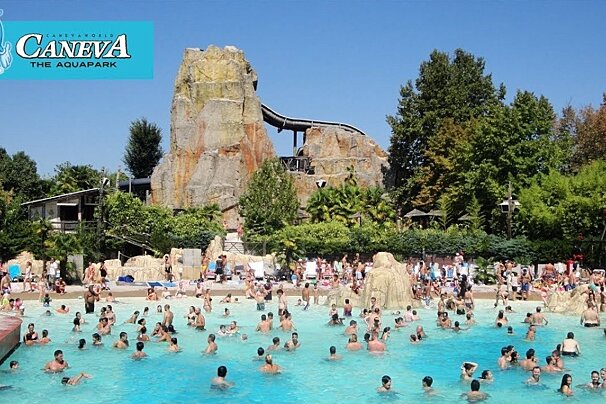
Canevaworld
Rollercoasters, water slides and Medieval re-enactions on Lake Garda
This site has three major events: Caevaworld Movieland Hollywood Park, a theme park based around film sets, The Aqua Park, which is a water park full of slides, wave simulators and a Peter Pan style pirate's lagoon, and Night & Fun - the evening's entertainment which consists of Medieval show dinners, a rock star restaurant all you can eat and a night festival disco.


Restaurants nearby
Restaurants in Milan
See all Restaurants in Milan-

Palazzo Parigi Restaurant, Milan - Centre
A sumptuous dining experience of classic Italian inspiration
The elegant style and furnishings, the neoclassical pieces of art decorating the walls and the hand-painted high ceiling is a dramatic yet fitting setting for the fantastic food of the Palazzo Parigi restaurant. And when the weather is fine, the relaxed atmosphere of the private garden terrace provides an alternative atmosphere for visiting diners.
-

Armani Restaurant, Milan - Centre
Michelin-starred Italian fine dining with stunning views over Milan
Part of the Armani Hotel Milan, this Michelin-starred restaurant takes a modern approach to classic Italian wining and dining. The stylish decor has been designed to the smallest detail by Giorgio Armani himself.
-

Terrazza Gallia Restaurant, Milan - Centre
Gourmet restaurant near the train station in Milan
Located at the luxury Excelsior Gallia Hotel, this rooftop restaurant boasts a menu created under the consultancy of three-Michelin starred chefs Enrico and Roberto Cerea and the Lebano brothers. They serve modern Italian cuisine with a focus on the Lombardy region.
-

Il Baretto Restaurant, Milan - Centre
A part of Milanese gastronomic culture
Il Baretto has been running for over fifty years, delighting the great and the good of the city for half a century. The sophisticated, old English club house decor is host to a refined menu taking cues from Milanese and international cuisine.
-

Rubacuori Restaurant, Milan - Centre
Fine dining in Milan, inspired by Venice
Michelin-starred experience that draws on the experimentation of the Venissa culinary approach. The enchanting decor completes the tone for dining in a very unique setting.
-

VUN Restaurant, Milan - Centre
Michelin starred restaurant right in front of Galleria Vittorio Emmanuelle
This elegant and sophisticated restaurant is located in a luxury hotel right in the heart of Milan and has been awarded a Michelin star. They serve traditional Italian dishes with innovative touches using local fresh ingredients.


Nightlife nearby
Bars & Clubs in Milan
See all Bars & Clubs in Milan-

Mio Bar, Milan - Centre
Chic bar in front of Galleria Vittorio Emmanuelle II
Located in the historic centre of Milan, in front of the Galleria Vittorio Emanuele II, this is one of Milan’s hottest and trendiest bars in the city at any time of the day.
-

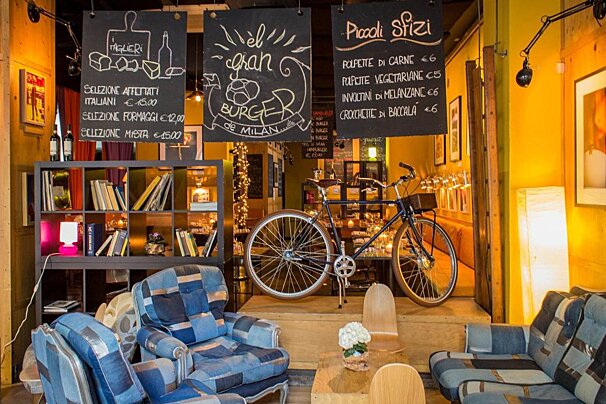
Le Biciclette Bar & Restaurant, Milan - Centre
Art bar and bistro in the centre of Milan
Located in south-central Milan, this former cycle shop is a funky art bar decorated with old bicycles and is a great place to enjoy an aperitivo, a tasty dinner or start your evening.
-

Mimmo Milano Restaurant & Bar, Milan - Centre
Shabby chic restaurant near Porta Venezia
Located inside the Dondup flagship store, this restaurant boasts a wonderful bohemian decor with light whitewashed wood, vintage furniture, lots of candles and linen tablecloths. They serve seasonal dishes based on traditional Italian cuisine.
-

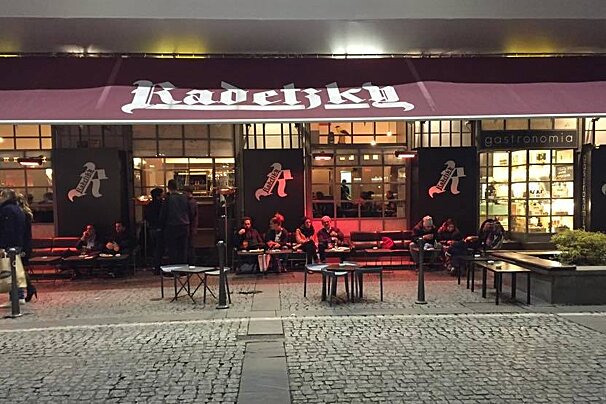
Radetzky Cafe & Bar
Famous cafe and bar in Brera district
This super-cool cafe/bar, whose name is taken from the Austrian General who ruled over Lombardy, is frequented by the Brera fashion and arts crowd and is a great place to unwind. It has an old-world feel, fantastic aperitivo and superb brunches. Best enjoyed in summer.
-

The Club Nightclub, Milan - Centre
Famous nightclub located in the heart of Brera
Founded in 2005, this glamorous nightclub offers event 5 nights of the week characterised by elegance and fun.
-

La Chiesetta Bar, Northwest Milan
Old church turned atmospheric bar
This unconsecrated small church was built at the end of the 18th century and, in 2006, it was converted into a bar. With a unique atmosphere, this bar is specialised in beers, cocktails and shots.




Sights nearby
Sights in Milan
See all Sights in Milan-

Galleria Vittorio Emanuele II, Milan - Centre
The ultimate upmarket shopping arcade
Reputedly the oldest shopping arcade in the world, this 19th-century glamorous, 4-storey, arcaded shopping gallery features a rich mosaic floor and a spectacular iron and glass roof complete with cupola that connects Piazza del Duomo with Piazza della Scala.
-

Piazza del Duomo, Milan - Centre
The cultural & social heart of Milan
This sweeping square, the grandest in the city, is flanked by several famous sights and landmarks. Most notably the Duomo cathedral, but also the 19th-century shopping arcade the Galleria Vittorio Emanuele II and the 18th-century Palazzo Reale.
-

Duomo (Cathedral), Milan - Centre
This 600-year-old work in progress is Milan's most famous icon
Located in the very heart of the city, the Duomo is the third largest cathedral in the world and Milan's most famous cultural landmark. Commenced in 1386, the cathedral was initially built in terracotta stone then continued in the white Condoglian marble (shipped from Lake Maggiore) that gives the building its striking crystalline beauty.
-

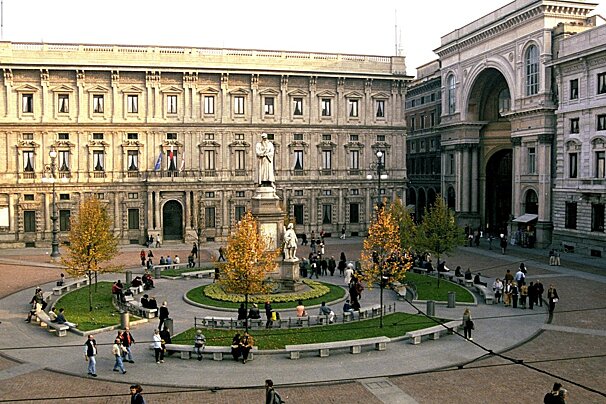
Palazzo Marino Palace, Milan - Centre
Milan's city hall, located in a 16th-century palace
Palazzo Marino has been the home of Milan's town council since 1861. Located in La Scala square, the palace was designed by architect Galeazzo Alessi, from Perugia, in 1558.
-

Museo del Novecento Art Museum, Historic Centre of Milan
Collection of 20th-century Italian art in the Piazza del Duomo
Located inside the Palazzo dell’Arengario, in Piazza del Duomo, this museum hosts a collection of over four thousand works that showcase the development of 20th-century Italian art.
-

Palazzo Reale (Royal Palace), Milan - Centre
An opulent neoclassical mansion with big-name exhibits in front of the Duomo
The Royal Palace is a classically beautiful example of 18th-century Milanese architecture. Built in the 1300s, it was initially the residence of the Visconti and Sforza families, then later home to the Spanish and Austrian governors.




Towns nearby
Towns & Villages in Milan
See all Towns & Villages in Milan-

Monza
Small city north of Milan, home to the famous F1 racing track
Located just within 15 kilometres north of Milan, this big but picturesque town, the third largest in the Lombardy region, has been transformed from a mainly industrial trade centre to a popular spot for good cuisine, pretty squares and of course the F1 Gran Prix.
-

Bergamo
A historically rich medieval city, once a part of Venice
The city of Bergamo is perched atop a hill just within a 30-40 minute train or car ride from Milan. The fourth largest city in Lombardy, it is located at the foot of the Alps.
-

Angera, Lake Maggiore
Red tiled roofs in this pretty Roman town
The lovely town of Angera dates back to Roman times when it was an important stopping point for boats transferring their wares to the road, and vice-versa. Sitting high above the town is the Rocca Borromeo, a fortress dating back to the 11th century.
-

Arcumeggia, Lake Maggiore
Charming mountain village painted with frescoes
High up above the lakes is the village of Arcumeggia in the mountains. It is famous because in 1956 the local tourist office decided to ask important Italian painters to fresco the walls of the town's stone cottages.